By Kristina Mikaela Arimas Level 4 International Business Management

As a student pursuing a degree in International Business Management, gaining a perspective on how multinational companies thrive, adapt, and expand into different markets is crucial for my academic and professional growth.
Week 6: Go Global Week offers an opportunity to explore these topics by offering insights into international business strategies, leadership, and global career opportunities. The sessions are designed to help students understand how companies navigate cultural differences, adapt to market dynamics, and position themselves in a competitive global environment. Additionally, they offer valuable guidance on navigating the UK job market which is an important aspect for students planning their careers.
By attending these 3 events, I was able to engage with industry leaders and gain insights into how businesses operate across regions—knowledge that is essential for anyone looking to build a career with an international outlook and something that I will carry forward.
Beyond the business strategies and career guidance, Go Global Week highlights the importance of continuous learning and developing a global mindset—all key elements for success in today’s interconnected world. Hearing first-hand experiences from professionals gave me a clearer view of how companies innovate, expand, and thrive in different markets, preparing me to approach my own career with a broader and more strategic perspective.
Keynote Talk with Manchester Met Alumnus, Steve Hewitt
Gymshark’s Success Story from Northstar to Unicorn
Hearing the journey of Gymshark, from humble beginnings to a global billion-dollar brand, showcased the power of resilience and strategic thinking. Steve Hewitt emphasised the importance of staying focused, simplifying plans, and maintaining strong brand values in creating create long-term success.


Key Takeaways:
- Value-driven and fast-growing – Growth should be driven by strong brand identity and clear values.
- Organic working capital – Gymshark was built without external funding, emphasising financial discipline and smart reinvestments.
- Balancing money and passion – Success requires balancing short and long-term financial planning while staying passionate about the mission.
- Humble beginnings require grit and bravery – Resilience is key to navigating challenges.
- Customer-first approach – A strong brand is built around understanding and engaging its audience.
- Keeping plans simple but structured – A well-defined yet adaptable roadmap (such as a 3-year business cycle) helps sustain growth.
- The impact of storytelling – Branding goes beyond products; it’s about building a community that customers want to be a part of.
- Be open to your team — True leadership means removing ego, being a good listener, and making yourself accessible to your team.

One of the standout lessons from this session was the concept of “flying in formation”— Steve’s leadership principle that emphasises teamwork and shared direction. Such that, a business thrives when teams operate with a common vision and collective effort.
Hewitt also highlighted the 5 pillars for leadership and organisational success:
- Be consistent and disciplined – Progress is built through daily habits and efforts.
- Celebrate wins and acknowledge losses – Learning from both successes and failures creates resilience and perspective.
- Create a feedback culture – Open communication drives innovation and continuous improvement.
- Choose the right people – A strong team is built on reliability, alignment with values, and trust.
High performance does not always mean the most trusted player. Drawing from Simon Sinek’s insights on trust vs. performance, this was particularly important to me as a reminder that trust should not be overshadowed by achievements and high performance.
- Avoid “stairwell conversations” – Transparency and inclusivity in decision-making foster trust and accountability.
Hewitt’s talk highlights the idea that success isn’t just about financial growth—it’s about values, leadership, and community-building.
Student Circus: Job Opportunities as an International Student
The second session focused on navigating the UK job market as an international student. Student Circus, partnered with MMU, provides a platform for students to explore job openings, internship, and placement opportunities. After addressing about common misconceptions in job searching, this session provided a clear, strategic framework for standing out to employers and successfully entering the job market.
4 Main Points:
- A polished and error-free CV is crucial – Attention to detail is a key factor in making a strong first impression.
- Apply early – Applying sooner increases opportunities.
- Tailor applications and research companies – A generic application won’t stand out; personalisation is key.
- Develop commercial awareness to stand out – Understanding how businesses operate to gain deeper understanding in the industry.

This session highlighted the importance of being proactive, well-prepared, and adaptable in the competitive job market.
Industry Talk with Greg Merrill: A Former Nike Executive
The final session of the day offered insights into how Nike has maintained its global success through its 3 main pillars: product innovation, sports marketing, and branding. The speaker also addressed the importance of taking risks and having confidence in decision-making, while drawing the line between confidence from arrogance—an essential mindset when representing a globally recognised brand.
Key Takeaways:
- Speed and adaptability are essential to meeting evolving consumer preferences – Businesses must react quickly to changing market conditions and trends to remain competitive.
- Strategic supply chain management is key to efficiency – Companies like Nike identify their core strengths and outsource when necessary, ensuring that production remains optimised across resource-rich regions while allocating finances effectively.
- Leadership requires continuous growth and team development – The best leaders invest in both their own development and that of their teams.
- Staying true to core values while evolving – A brand must adapt to change while remaining anchored in its core identity.
- Being wise about partnerships – Successful collaborations should align with a company’s long-term vision and strategic goals. Choosing the right partners ensures brand integrity and sustained success.
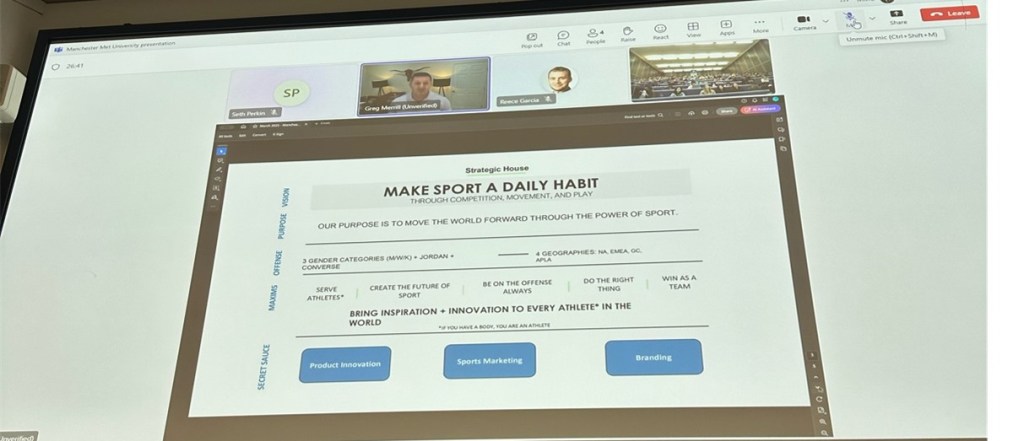
This session reinforced the importance of long-term strategic thinking, leadership development, and staying true to a brand’s identity while embracing innovation.


 MARKETING, INTERNATIONAL BUSINESS AND TOURISM
Leave a comment